

Climate change is a global phenomenon with local repercussions, and Minnesota is no exception. The state’s environment, economy, and daily life are increasingly influenced by shifting climate patterns.
Rising Temperatures and Changing Precipitation
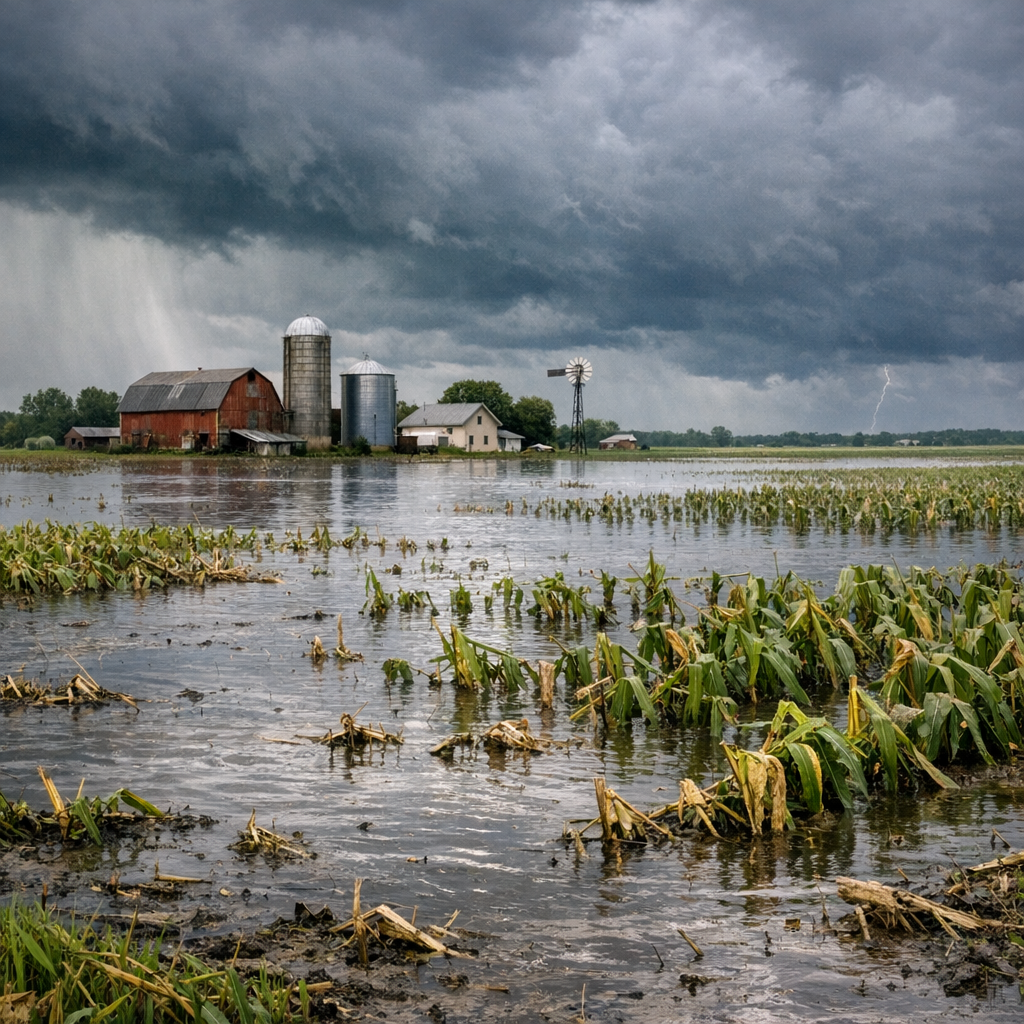
Over the past century, Minnesota has experienced a significant warming trend. Average annual temperatures have risen by approximately 3.4°F between 1895 and 2025, with winter temperatures increasing even more rapidly. This warming has led to shorter ice cover periods on lakes, affecting winter recreational activities and aquatic ecosystems. Additionally, the state has seen an increase in annual precipitation, averaging an additional 3.4 inches, contributing to more frequent and intense flooding events.
Impacts on Agriculture
The agricultural sector, a cornerstone of Minnesota’s economy, faces challenges due to climate change. Warmer temperatures and altered precipitation patterns can affect crop yields, increase the prevalence of pests and diseases, and lead to soil erosion. Livestock are also vulnerable, with heat stress potentially reducing productivity and increasing mortality rates.
Effects on Natural Resources
Minnesota’s diverse ecosystems are under threat. Warmer waters can lead to harmful algal blooms, impacting fish populations and water quality. Forests are experiencing shifts in species composition, with some native trees like paper birch and black spruce declining, while others more suited to warmer climates may become more prevalent. These changes can disrupt wildlife habitats and biodiversity.
Health and Infrastructure Concerns
Human health is also at risk. Increased temperatures can lead to heat-related illnesses, while flooding can result in waterborne diseases. Infrastructure is vulnerable too; roads, bridges, and wastewater systems may suffer damage from extreme weather events, leading to costly repairs and disruptions.
Community Resilience and Adaptation
Addressing these challenges requires a concerted effort. Communities can enhance resilience by investing in sustainable infrastructure, adopting climate-smart agricultural practices, and preserving natural habitats. Public awareness and education are crucial in fostering a proactive approach to climate adaptation.
While climate change presents significant challenges, understanding its local impacts is the first step toward developing effective strategies to mitigate its effects and protect Minnesota’s environment and economy for future generations.