
As the midterm elections draw near, economic issues have taken center stage in the minds of many Americans. Recent polls indicate a significant portion of the population is dissatisfied with the current economic climate, citing concerns over inflation and the rising cost of living.
Inflation and Cost of Living
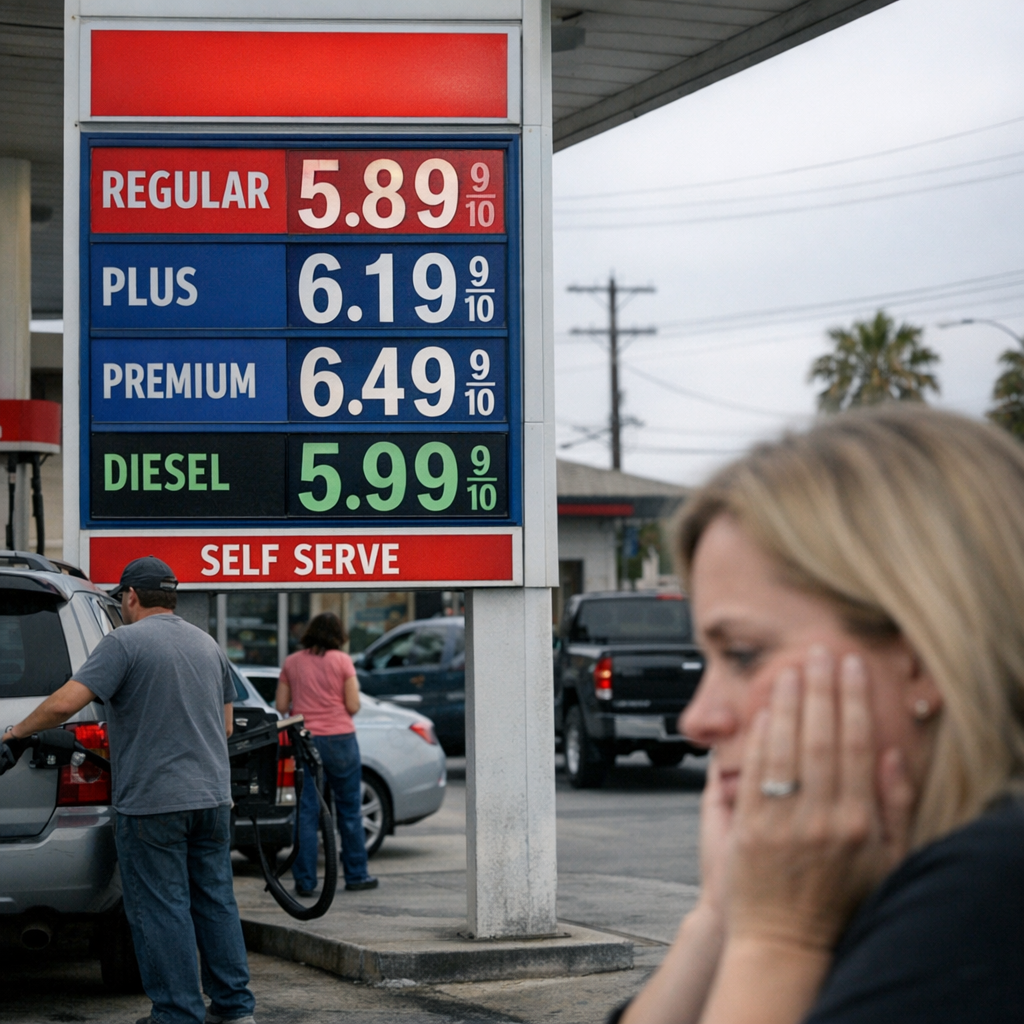
Inflation has been a persistent issue, with the Consumer Price Index showing a steady increase over the past year. This uptick has led to higher prices for everyday goods and services, placing a strain on household budgets. Gasoline prices, in particular, have seen a notable rise, with national averages exceeding $4.50 per gallon in several states.
Public Sentiment
A recent Reuters/Ipsos poll reveals that 70% of Americans disapprove of the current administration’s handling of the cost-of-living crisis. This sentiment surpasses the 63% disapproval rating recorded at the end of the previous administration. The poll also indicates that 59% of respondents expect gas prices to continue rising over the next year, and only 25% believe recent military actions were justified given their economic impact.
Political Implications
The economy’s performance is traditionally a pivotal factor in election outcomes. With the midterms on the horizon, both major political parties are keenly aware of the electorate’s economic concerns. Republican strategists have expressed apprehension that escalating fuel prices could become a significant vulnerability for their party. Conversely, Democrats are focusing on addressing economic issues to sway voters who are feeling the pinch of rising costs.
Local Impact
In communities like Brainerd, Minnesota, residents are experiencing the effects of these national economic trends firsthand. Local businesses are grappling with increased operational costs, which often translate to higher prices for consumers. Families are adjusting their budgets to accommodate more expensive groceries, utilities, and transportation.
As the political landscape continues to evolve, the economy remains a critical issue for voters. The upcoming midterm elections will likely serve as a referendum on how effectively elected officials are addressing these pressing economic challenges.