

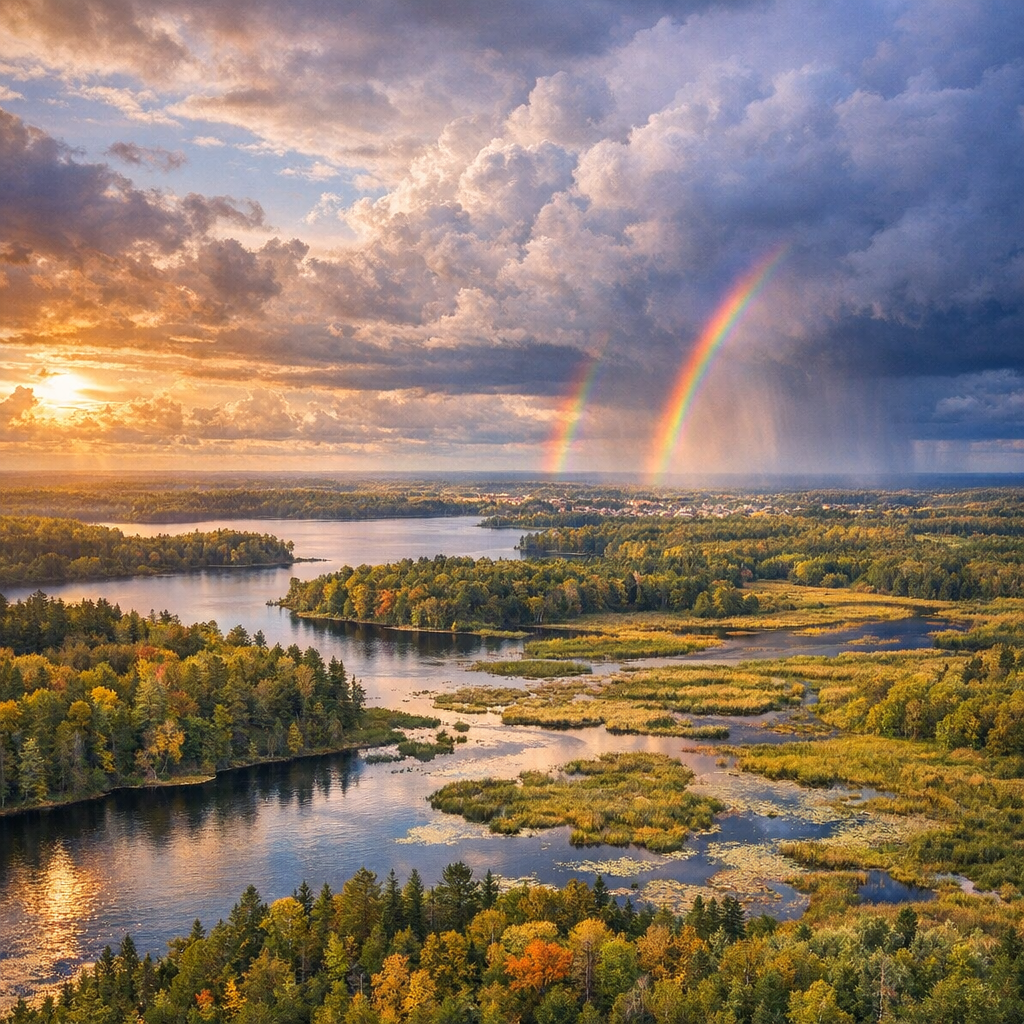
Brainerd, Minnesota, is experiencing notable shifts in its climate patterns, reflecting broader trends observed across the state. These changes have significant implications for our local environment, wildlife, and community activities.
Warming Temperatures and Altered Precipitation
Over the past century, Minnesota has warmed by approximately 3.0 degrees Fahrenheit, with a marked increase in winter temperatures. This warming trend has led to milder winters and changes in precipitation patterns, including more frequent and intense rainfall events. Such shifts can affect local ecosystems, agriculture, and water resources.
Impacts on Local Ecosystems
The Brainerd area, characterized by its diverse forests, lakes, and wetlands, is particularly sensitive to climate variations. Warmer temperatures and altered precipitation can disrupt habitats, affecting species distribution and health. For instance, changes in ice cover duration on lakes can influence fish populations and aquatic ecosystems.
Community Conservation Efforts
In response to these challenges, local organizations and agencies are actively working to preserve and enhance Brainerd’s natural resources. The Minnesota Department of Natural Resources (DNR) manages extensive public lands in the area, focusing on habitat restoration and wildlife management. Their efforts include prescribed burns, forest stand improvements, and partnerships with conservation groups to protect critical habitats.
Additionally, the Northland Arboretum offers over 400 acres of diverse landscapes and more than 12 miles of trails, serving as a hub for education, recreation, and conservation. The Arboretum’s initiatives aim to foster connections between people and nature, promoting environmental stewardship within the community.
Looking Ahead
As climate patterns continue to evolve, it is crucial for the Brainerd community to stay informed and engaged in conservation efforts. By supporting local initiatives and adopting sustainable practices, residents can contribute to the resilience of our environment and ensure that future generations can enjoy the natural beauty of our region.